Working note
Pizza dough recipe
A baker's percentage walkthrough for pizza dough, from flour choice and mixing through fermentation, balling and scaling to your pan.
The baseline formula in baker's percentage
A useful recipe is a formula with numbers attached; once the numbers are written down, changing one of them tells you what that number does.
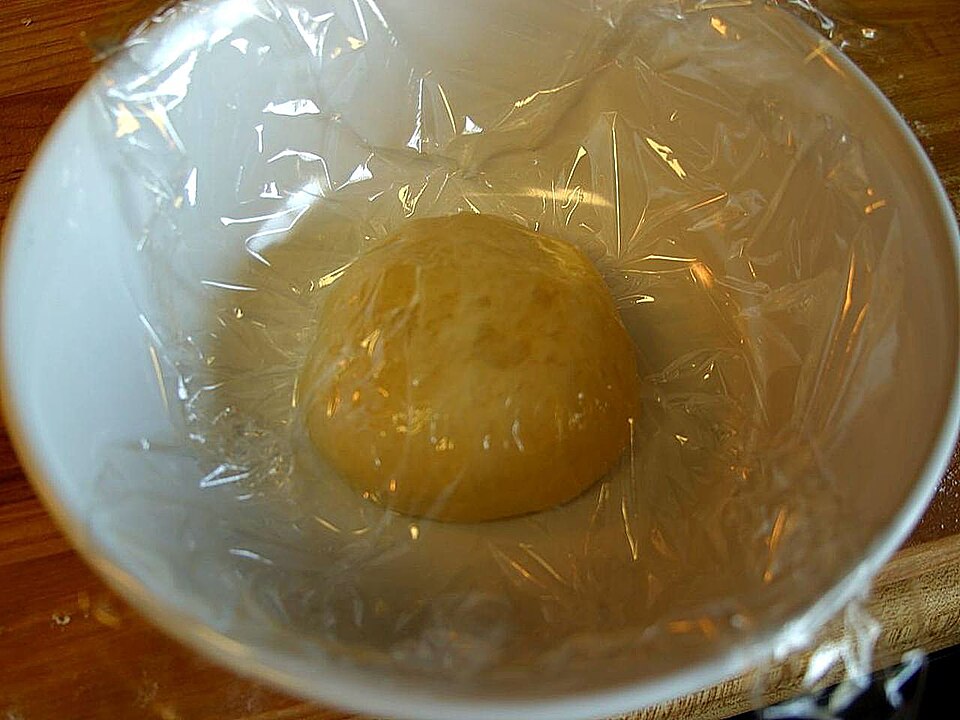
The one figure with support here: Cookbook:Pizza Dough states that the dough rises to become about 50% larger, so use a big bowl. That single number is the only quantity on this page that carries a source, so it is the only one you should treat as fixed.
Everything else in a dough formula moves with the flour and with your schedule, and a formula you write down yourself at least stays honest about what it is. Write the number down, then change it deliberately rather than by accident.
Choosing flour by protein and W rating
Flour choice is the variable that most often ruins an otherwise sound method, not the presence of one particular label.
The site publishes this page on pizza dough and does not cover restaurant reviews, commercial pizzeria operations, menu pricing and staffing, or frozen and delivery brand comparisons. The question a home baker actually has is whether the flour in the cupboard will do the job, and that question is answered by dough behaviour, not by what the bag says.
Mixing order, gluten development and dough temperature
Mixing order matters less than the total work the dough receives, and less than the number on the thermometer at the end of mixing.
Fermentation choices: same day, overnight, 48-72 hour cold
Time is the lever, and the page treats it as one variable among the two the baker controls rather than as a style to be chosen from a menu.
The only fact behind this section that carries a source is the rise target: the dough rises to become about 50% larger, so use a big bowl. That number is the same whether the ferment runs in one afternoon or over several days.
Balling, proofing and knowing when the dough is ready
Knowing when dough is ready is an observable judgement rather than a reading off a timetable, and the one piece of evidence is the rise: about 50% larger, which is why a big bowl is the right container.
Scaling the formula to your pan or peel size
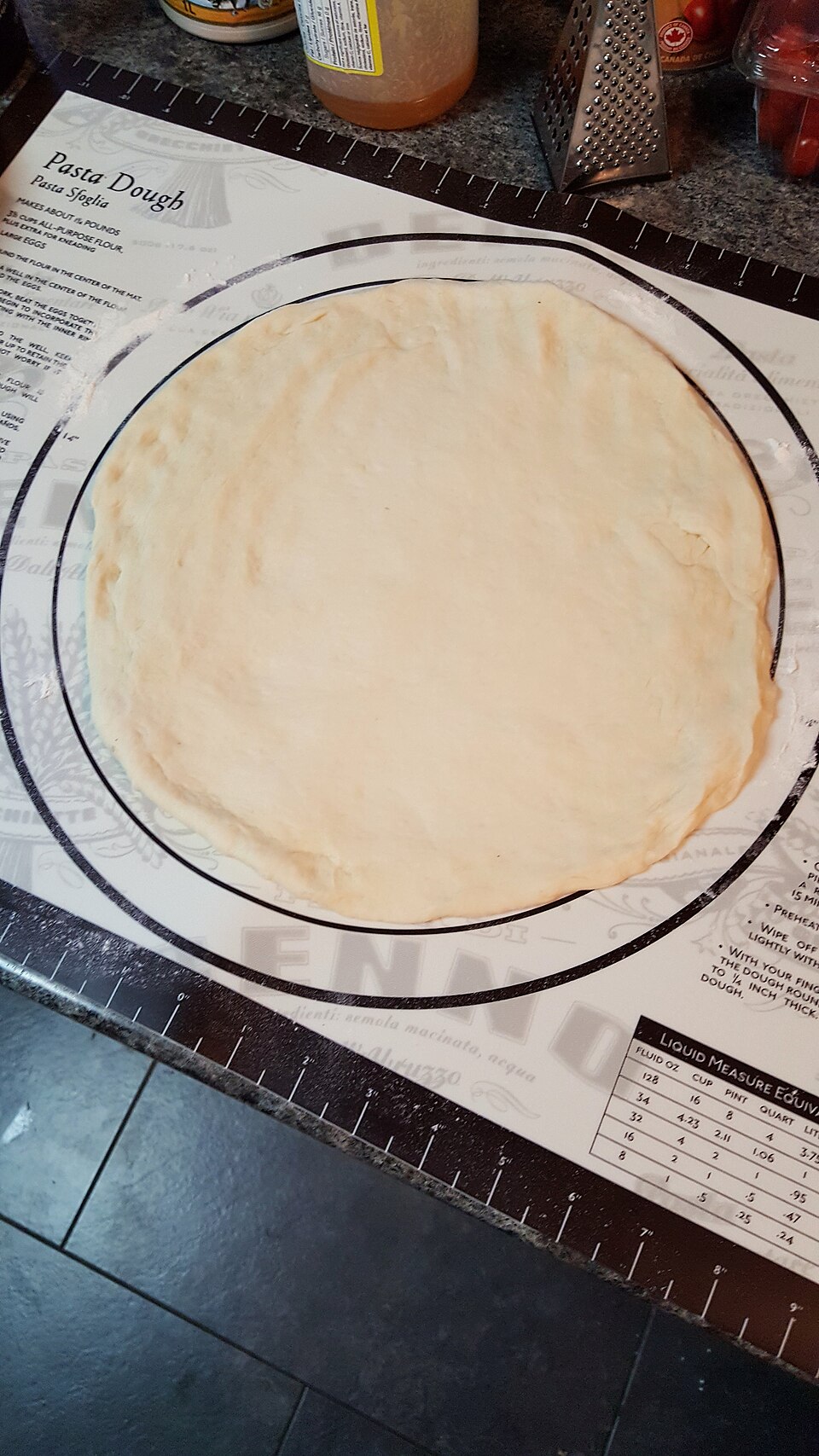
Scaling a formula means changing the size of the dough ball, not the ratios within it, and the dough still has to rise about 50% larger, so the container has to be big enough to allow for that.