Working note
Bread flour pizza dough
A reference on bread flour for pizza dough: what it absorbs, how to adjust hydration and mixing, and what the crust does in a domestic oven.
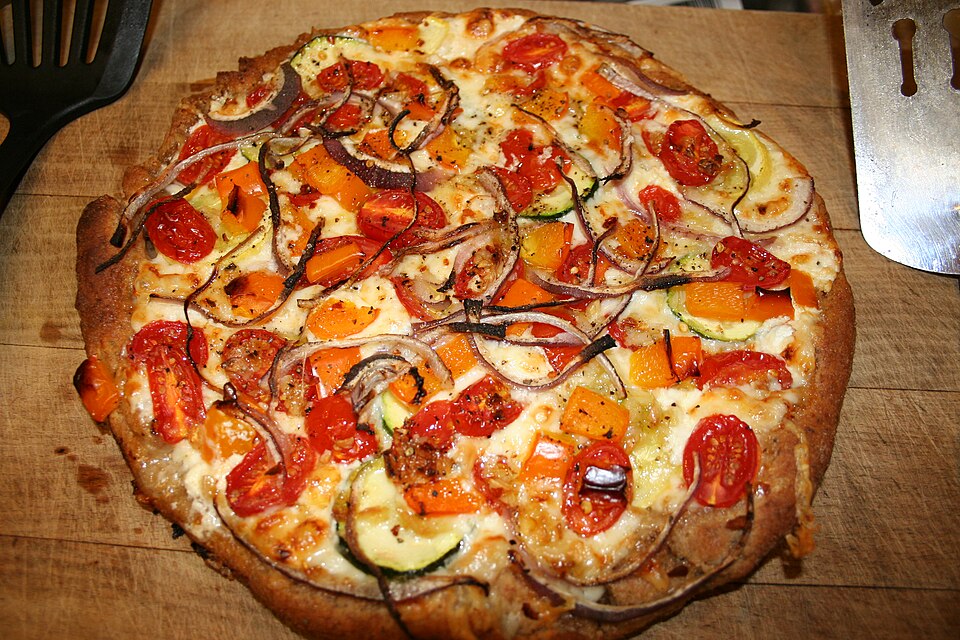
Bread flour and 00 are not interchangeable at the same hydration. The swap changes how much water the dough holds, how long it can ferment, and what the crust does under the heat your oven actually produces. The sections below work through those changes in the order they matter.
Protein content and what bread flour absorbs compared with 00
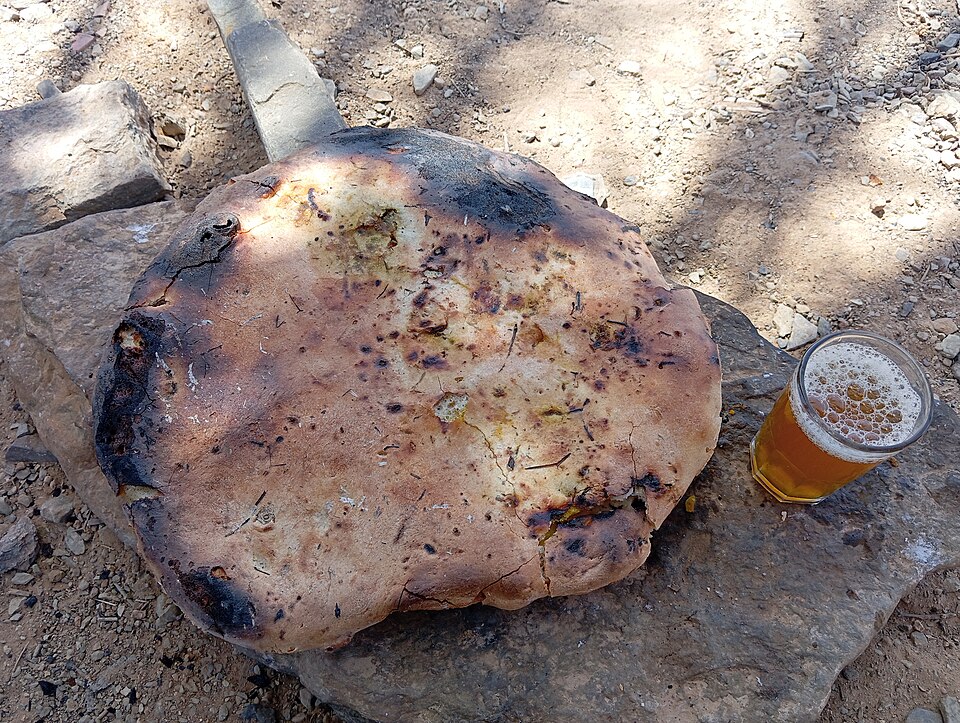
Bread flour absorbs more water than 00. The two flours pull water differently because of what is in them. Bread flour, including supermarket bread flour, carries a higher protein content and more damaged starch than 00. Both take up water, and the effect shows when the same recipe is mixed twice with the flours swapped.
That extra absorption matters most in the first minutes of mixing. A dough that feels slack with 00 can feel dry and shaggy with bread flour even though the flour weight is identical. The surfaces of the flour particles differ, and the water distributes across them at different rates.
Adjusting hydration when you swap flours
You will need more water with bread flour than with 00. How much more is not a single number that applies to every bag. It depends on the specific protein content and the milling, and the only reliable method is to adjust at the mixer. Hold back water, mix the dough to a shaggy mass, then add the remaining water slowly until the dough reaches the feel you want.
- Start with the hydration you used for 00, then add water in small increments.
- Judge by dough feel, not by an absolute number.
- Keep the added water in your notes for the next bake.
Mixing and strength: why bread flour tolerates longer fermentation
Bread flour builds a stronger gluten network than 00, which means it tolerates longer fermentation before the structure breaks down. A dough made with bread flour can sit through a slow cold ferment without turning slack as quickly. The network also holds gas from the earliest stages, so the dough may feel tighter during the first mix.
Crust colour and chew at domestic oven temperatures
In a domestic oven, bread flour produces a crust that browns differently and chews differently from 00. The protein level and starch damage affect how the crust sets and colours under the heat the oven provides. Bread flour tends to give a more substantial chew. Whether that reads as toughness depends on the thickness of the crust and how far the bake goes.
When 00 is actually worth buying
00 is worth buying when you want the dough to behave a specific way under high heat. It stretches and ferments differently from bread flour, and those differences matter if you are chasing a particular texture. A 00 with lower protein may ferment faster and may not hold a long ferment as well as bread flour. For a domestic oven, the flour you already have may be the better starting point.
Can you make good pizza with supermarket bread flour? Yes. If you already make pizza occasionally and want repeatable results, supermarket bread flour is a valid flour. The main adjustment is water, and the dough will tell you what it needs. Neither flour is the whole story: the bake is decided by what is in the dough and how much heat reaches it.